RC28 Conference · Abu Dhabi

Keynotes

Plenary lectures opening and closing the meeting.

Speakers

Keynote · tentative

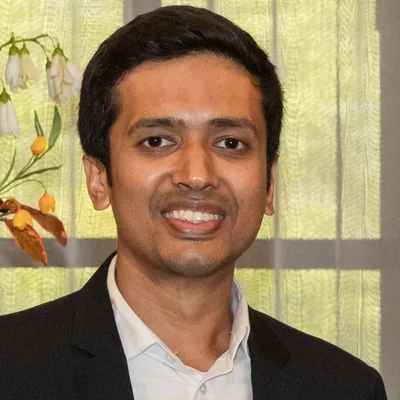
Mobarak Hossain

Assistant Professor of Social Policy
London School of Economics

“Education Systems and Inequalities in Low- and Middle-Income Countries”Provisional title

Hossain researches educational inequality and social mobility in low- and middle-income countries (LMICs). A central concern of his work is why educational opportunities are more unequal in some contexts than others, and how differences in education systems help account for this variation. Recent studies trace intergenerational educational mobility across the twentieth century and compare socioeconomic inequality in educational attainment across LMICs.

A second strand of his research examines education policy and system reform. He has studied the diffusion of reforms promoted by the World Bank across LMICs, including decentralization and national learning assessments, with particular attention to how these reforms operate across different institutional and political contexts.

His research has been published in outlets such as Sociology of Education, European Sociological Review, British Journal of Sociology, Population and Development Review, American Educational Research Journal, and RC28’s official journal, Research in Social Stratification and Mobility. He is the Principal Investigator of LIFEED, a European Research Council Starting Grant examining life chances and education systems in LMICs, commencing in 2027. Another current project in a related area is funded through the Atlantic Equity Challenge at LSE’s International Inequalities Institute.

Keynote · tentative

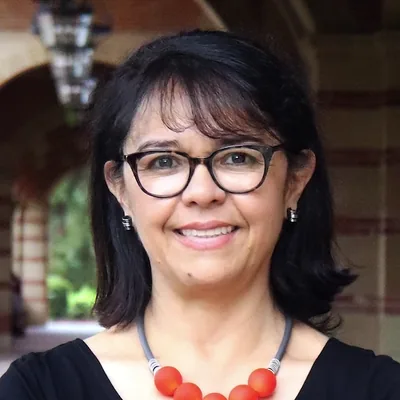
Cecilia Menjívar

Distinguished Professor of Sociology
Dorothy L. Meier Social Equities Chair
UCLA

Menjívar studies how state policies, institutions, and inaction shape inequality, particularly in the lives of immigrants and women. Her 2006 article on liminal legality named the uncertain middle ground between documented and undocumented status; legal violence, developed with Leisy Abrego in 2012, showed how ordinary immigration law does cumulative harm to Central American families.

Enduring Violence (2011) turns to Guatemala, examining gender-based violence as something institutions normalize rather than as a series of exceptional events. Her 2023 presidential address to the American Sociological Association argues that state classification systems decide who is eligible for what, and that bureaucracies sustain inequality by including, excluding, and neglecting.

113th president of the American Sociological Association. Guggenheim Fellow, Andrew Carnegie Fellow, and W. E. B. Du Bois Fellow of the American Academy of Political and Social Science; in 2024 she received the ASA’s Jessie Bernard Award and its Public Understanding of Sociology Award. Director of the Center for the Study of International Migration at UCLA since 2025.